
Cardio workouts are often associated with treadmills, exercise bikes, and crowded gyms, but you don’t need expensive equipment or a large workout space to improve your fitness. A well-designed 15-minute home cardio workout can help increase your heart rate, improve endurance, burn calories, and support a healthier lifestyle without leaving your home.
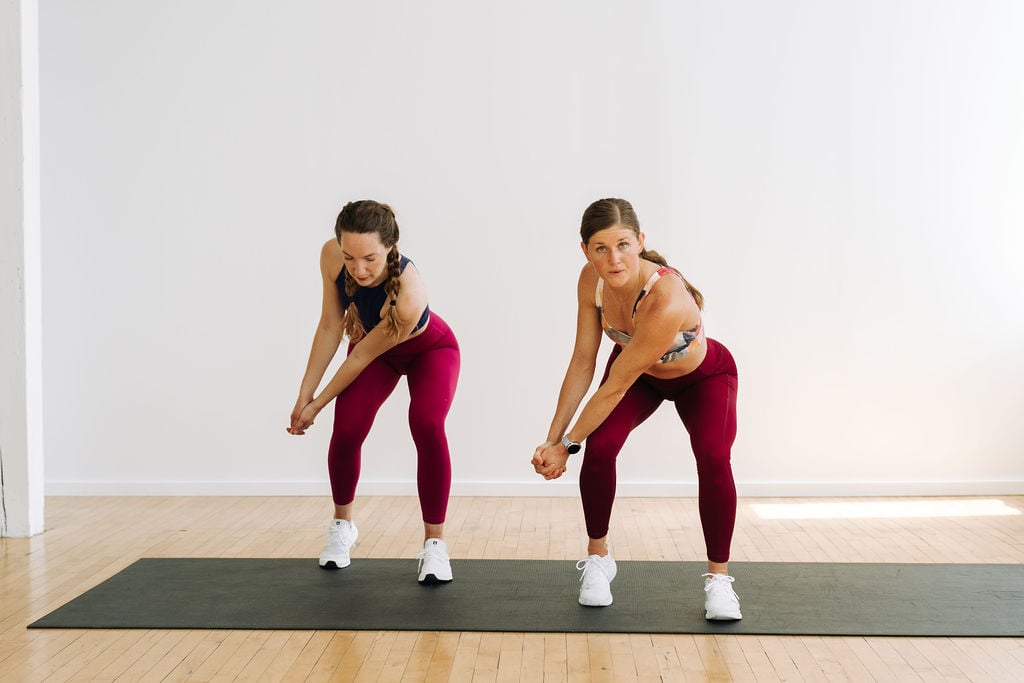
Whether you have a busy schedule, prefer exercising privately, or simply want a convenient way to stay active, a short home cardio session can be highly effective. The key is choosing movements that engage multiple muscle groups, keep your body moving, and match your current fitness level.
This workout is designed for people who want an efficient cardio routine without a treadmill. With simple equipment such as a skipping rope, yoga mat, or resistance bands, you can create a practical home fitness setup that supports consistent exercise.
Why Choose a 15-Minute Home Cardio Workout?
Many people believe that effective cardio requires long sessions, but short workouts can still provide significant benefits when performed with enough intensity. A focused 15-minute workout can improve cardiovascular fitness, increase energy levels, and help you build a regular exercise habit.

The biggest advantage of a short home workout is convenience. There is no need to travel to the gym, wait for equipment, or spend extra time preparing. You can complete your workout before work, during a break, or whenever you have a few free minutes.
Consistency is more important than the length of a single workout. A person who exercises for 15 minutes several times a week will often achieve better results than someone who occasionally completes a long workout but struggles to maintain a routine.
Benefits of Cardio Training at Home
Home cardio workouts offer flexibility and freedom. You can choose your own pace, adjust exercises according to your fitness level, and create a routine that fits your lifestyle.
Cardio exercise strengthens the heart and lungs, improves circulation, and supports overall physical health. Regular movement can also improve mood by encouraging the release of endorphins, helping reduce everyday stress.
Another advantage is that home cardio workouts can be adapted for different goals. Beginners may focus on building stamina and learning proper movement patterns, while more advanced users can increase intensity through faster movements, shorter rest periods, or additional resistance.
Preparing Your Space for a Home Cardio Workout
Before starting your workout, create a safe and comfortable area where you can move freely. You do not need a large room, but you should have enough space to move your arms and legs without hitting furniture or obstacles.
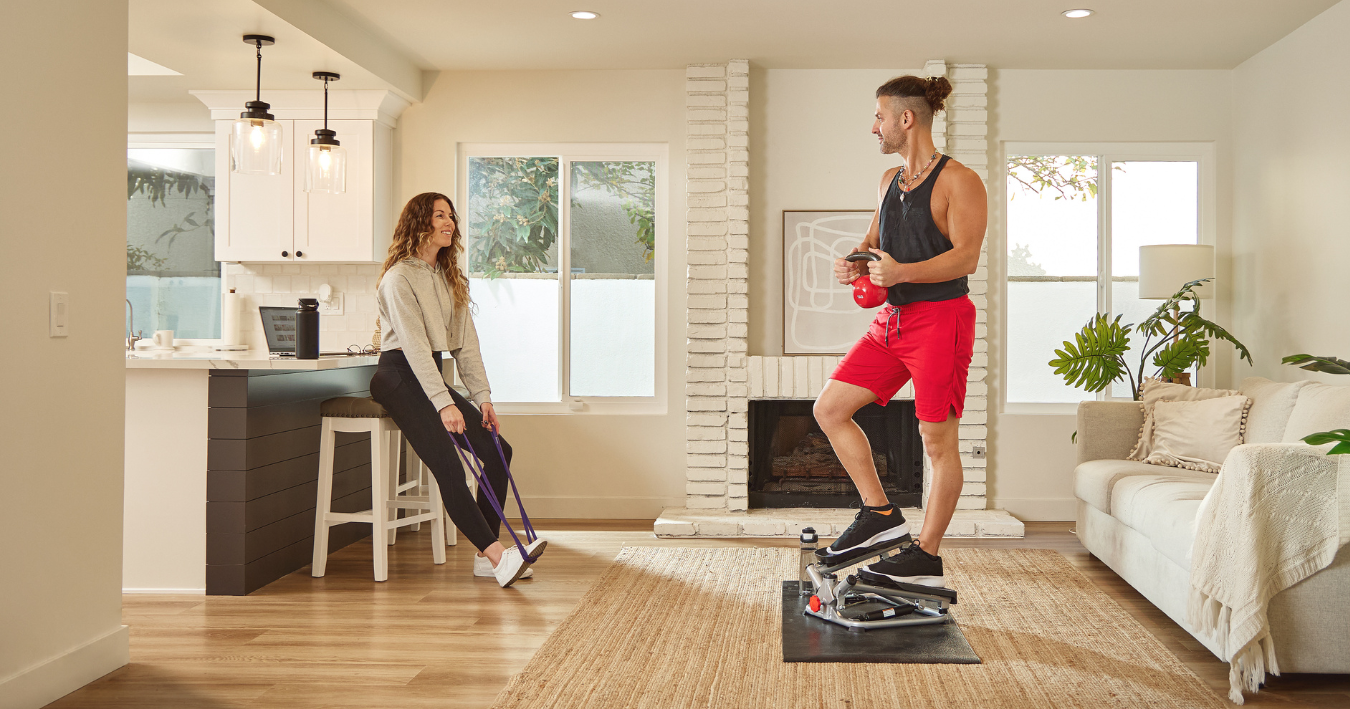
A supportive surface is also important. A quality exercise or yoga mat can provide comfort during floor exercises and help protect your joints. Good footwear, proper hydration, and comfortable clothing can also make your workout experience more enjoyable.
Simple fitness accessories can make home training more effective. A skipping rope is one of the most affordable cardio tools available because it improves coordination, balance, and cardiovascular endurance while taking up very little storage space.
15-Minute No-Treadmill Cardio Workout
This workout combines different movements to keep your heart rate elevated while working various areas of the body. Begin with a short warm-up to prepare your muscles and joints. Spend one or two minutes performing gentle movements such as walking in place, shoulder rotations, and light stretching.
Minute 1-3: Skipping Rope Warm-Up
Start with basic skipping rope movements at a comfortable pace. The goal is not maximum speed but developing rhythm and coordination. Keep your jumps low, maintain good posture, and use your wrists to rotate the rope instead of relying only on your arms.
For beginners, learning how to use a skipping rope for beginners starts with mastering simple techniques. Begin with small jumps, keep your feet close together, and practice timing your jumps with the rope movement. If continuous skipping feels difficult, try short intervals of 20–30 seconds followed by rest.
Skipping rope training is an excellent way to improve cardiovascular endurance because it requires your entire body to work together. Over time, you can increase your duration, speed, and variations as your confidence improves.
Minute 3-6: High Knees and Bodyweight Movements
After skipping, move into high knees to continue raising your heart rate. Stand tall, engage your core, and bring your knees upward while moving your arms naturally. This exercise strengthens the lower body while challenging your cardiovascular system.

Follow high knees with bodyweight squats. Squats help build strength in your legs and glutes while adding a resistance element to your cardio session. Keep your chest lifted, push your hips back, and maintain controlled movement.
Combining cardio and strength movements creates a more complete workout because you are improving endurance while also activating major muscle groups.
Minute 6-9: Mountain Climbers and Jumping Jacks
Mountain climbers are a great addition to a treadmill-free cardio workout because they engage your core, shoulders, and legs. Start in a plank position and bring your knees toward your chest in a controlled rhythm.
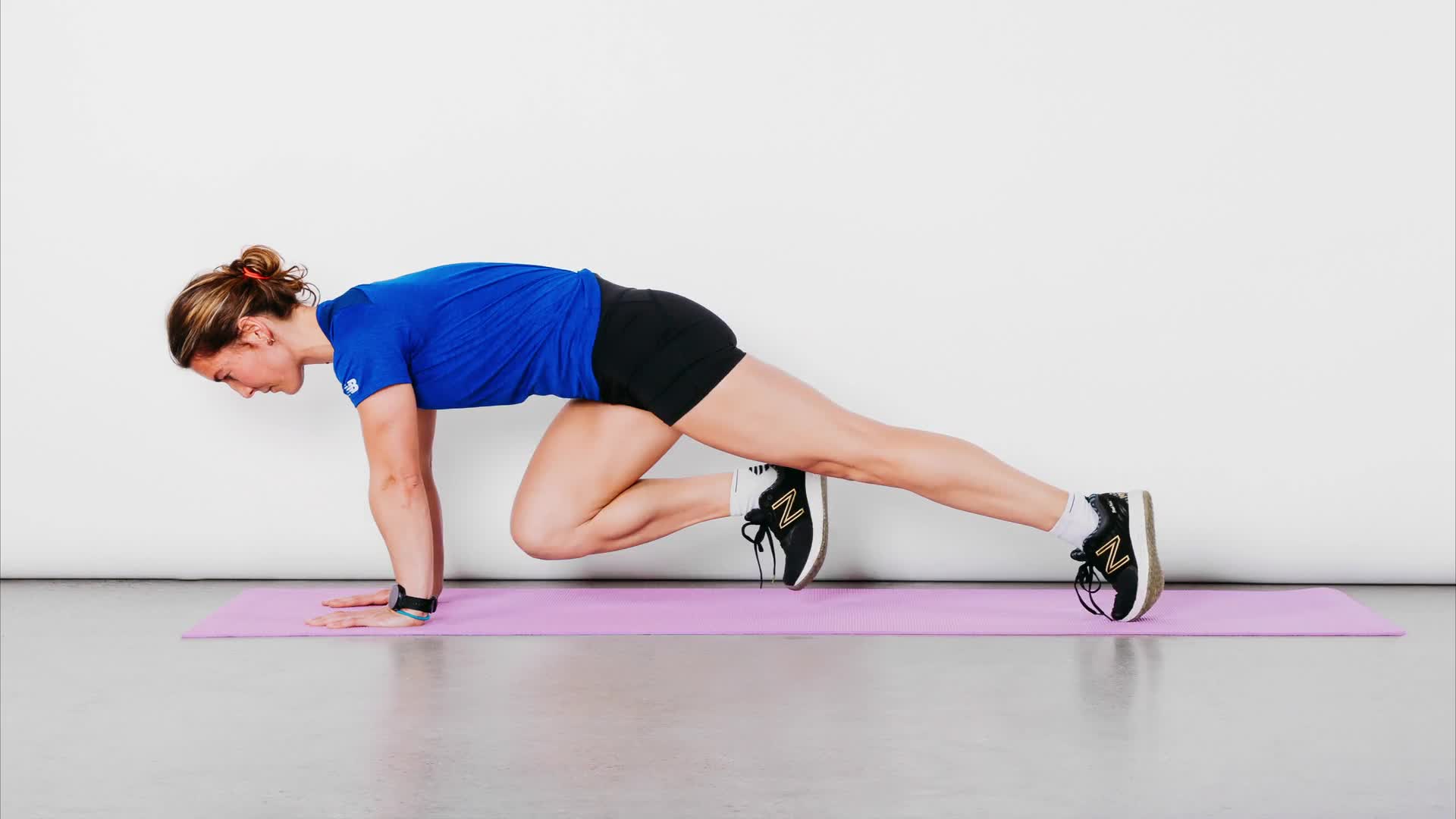 If you are new to exercise, perform slower mountain climbers and focus on maintaining good form. The goal is not just speed but creating steady movement while keeping your body stable.
Jumping jacks are another classic cardio exercise that requires no equipment. They increase heart rate quickly and improve coordination. You can adjust the intensity by changing your speed or performing a low-impact version without jumping.
Minute 9-12: Resistance Band Cardio Circuit
Resistance bands can add variety to your home cardio routine. While many people think of bands only for strength training, they can also be used during fast-paced circuits to increase muscular challenge.
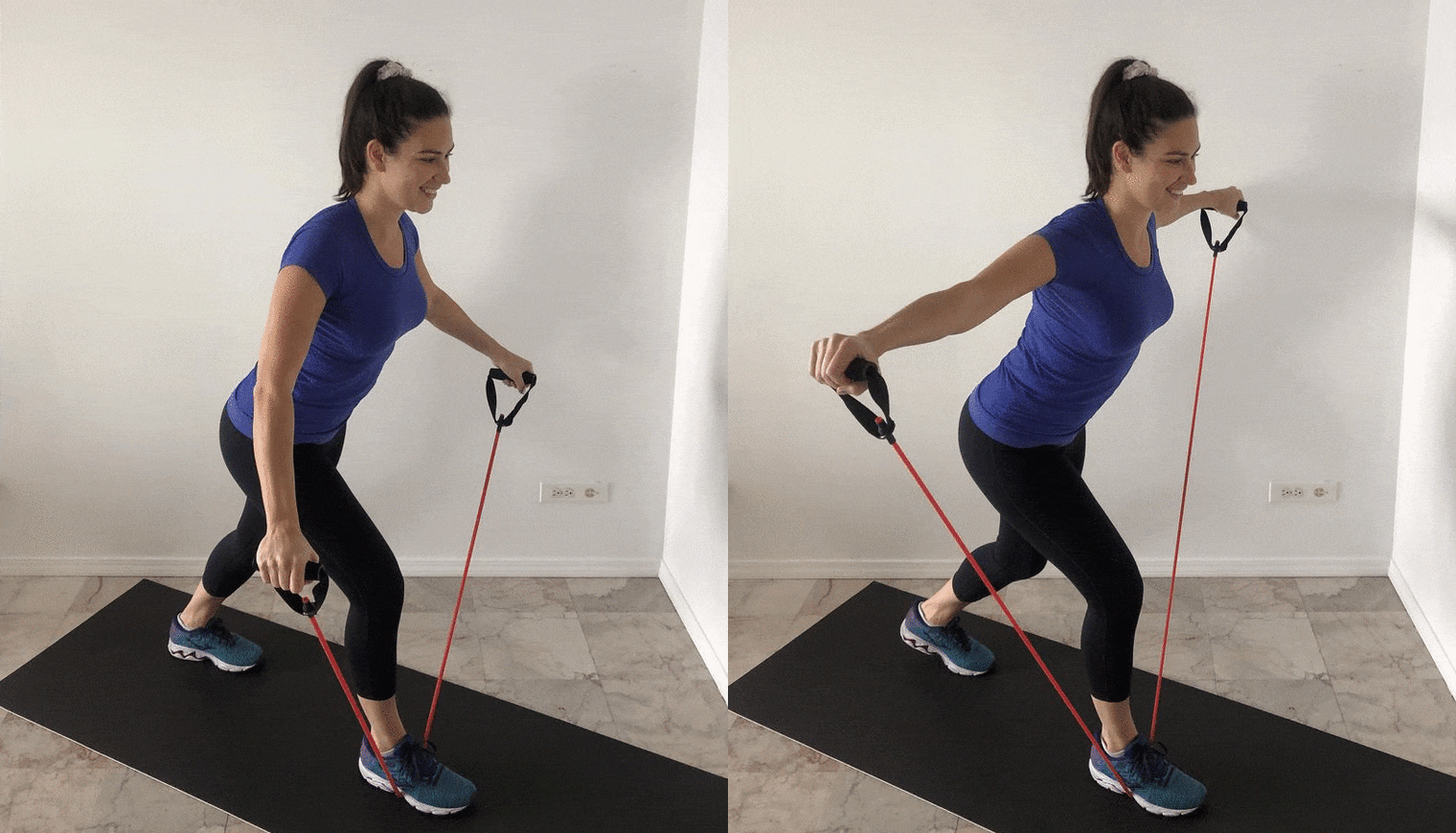
Try movements such as resistance band side steps, squat steps, or controlled arm exercises combined with movement. Resistance bands are lightweight, easy to store, and useful for creating different workout variations.
This type of training helps you avoid boredom and keeps your body adapting to new challenges.
Minute 12-15: Final Cardio Push and Cool Down
Finish your workout with a final burst of movement. You can repeat your favorite exercise from the session, whether it is skipping rope, jumping jacks, or high knees.
During the final minutes, focus on maintaining good technique rather than simply moving faster. A strong finish should feel challenging but controlled.
 After completing the workout, spend a few minutes cooling down. Slow walking, deep breathing, and gentle stretching help your body transition back to a resting state.
How to Improve Your Skipping Rope Technique
Skipping rope is one of the best home cardio exercises because it combines endurance, coordination, and agility. However, beginners often make mistakes when starting.
The most common mistake is jumping too high. Large jumps require more energy and can cause fatigue quickly. Instead, focus on small, efficient movements that keep your body relaxed.
Your grip should be comfortable, and your shoulders should stay relaxed. The rope should be controlled mainly by your wrists, allowing your arms to avoid unnecessary tension.
When learning how to use a skipping rope for beginners, patience is important. It may take time to develop timing and rhythm, but regular practice will quickly improve your coordination.
Common Mistakes During Home Cardio Workouts
One mistake many people make is starting too intensely. Going too hard immediately can lead to early fatigue and make workouts feel discouraging. Begin at a manageable level and gradually increase intensity.
Another common issue is ignoring recovery. Even short workouts place stress on your muscles and joints, so rest days, hydration, and proper nutrition remain important.
Poor form is another challenge. Fast movements are only beneficial when performed safely. Focus on controlled technique before increasing speed.
How Often Should You Do Home Cardio?
The ideal frequency depends on your goals, fitness level, and overall routine. Many people benefit from performing cardio workouts several times per week while including strength training and mobility exercises.
A 15-minute workout may seem short, but when performed consistently it can become a valuable part of a healthy lifestyle. The best exercise routine is one that you enjoy and can maintain over time.
Creating a Complete Home Fitness Routine
Cardio is only one part of overall fitness. A balanced home routine can include strength training, flexibility exercises, mobility work, and recovery sessions.
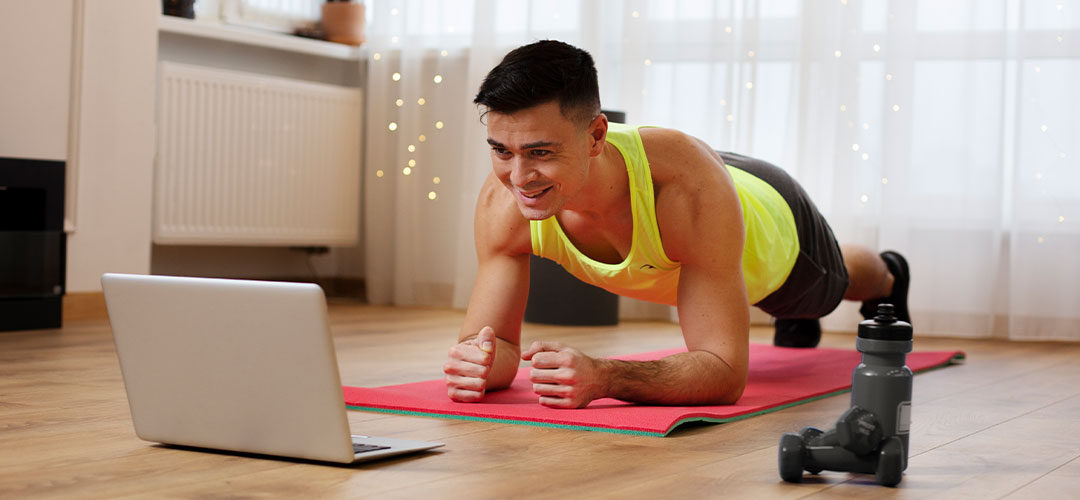 Adding simple equipment can expand your workout options. A yoga mat can support stretching and floor exercises, resistance bands can add strength challenges, and a skipping rope can provide an effective cardio option without taking up much space.
The goal is not to create a complicated home gym. A few practical tools and a consistent approach are often enough to support long-term progress.
Final Thoughts
You do not need a treadmill to achieve an effective cardio workout. With simple movements and a small amount of space, a 15-minute home cardio workout can improve endurance, increase energy, and help you stay active.
The most important factor is consistency. Whether you are using a skipping rope, bodyweight exercises, or simple fitness accessories, regular movement will always deliver better results than occasional intense workouts.
A home cardio routine gives you the freedom to exercise whenever it fits your schedule. Start with manageable steps, focus on progress, and build a fitness habit that supports your health for the long term.