
If you are looking for a simple, affordable way to improve your fitness at home, a skipping rope could be exactly what you need. Skipping is a fun and effective form of cardio that can help increase your heart rate, improve coordination and build stamina without requiring a large amount of space or expensive gym equipment.
For beginners, however, getting started can feel a little awkward. It is common to trip over the rope, jump too high or struggle to find a comfortable rhythm. The good news is that you do not need to be an expert athlete to enjoy the benefits of skipping. With the right technique and a gradual approach, you can learn how to use a skipping rope for beginners and build it into a regular cardio workout.
In this guide, we will explain everything you need to know to get started, from choosing the right rope and setting up your workout space to learning basic skipping technique and creating a beginner-friendly cardio routine.
Why Skipping Is a Great Cardio Workout for Beginners
Cardiovascular exercise is any activity that gets your heart beating faster for a sustained period. Walking, cycling, swimming and running are all popular examples, but skipping is another excellent option that can be done almost anywhere.
One of the biggest advantages of skipping is convenience. A skipping rope is lightweight, portable and easy to store, making it particularly useful for home workouts. You can keep one in a cupboard, take it to the park or even pack it in your luggage when travelling.
Skipping can also be an efficient way to exercise. Because the movement involves your legs, arms and core, it can provide a full-body cardiovascular challenge. Even short sessions can leave you feeling warm and out of breath, making it a useful addition to a balanced fitness routine.
For beginners, skipping also offers plenty of room for progression. You can start with short intervals and plenty of rest, then gradually increase the length of your workout as your coordination and fitness improve.
Choosing a Skipping Rope for Beginners
Before you start exercising, it is worth choosing equipment that feels comfortable and suits your needs. Using a skipping rope that is too long or too short can make learning the movement more difficult.
When standing on the middle of the rope with both feet, the handles should generally reach somewhere around your armpits when the rope is pulled upwards. This is a useful starting point, although the ideal length can vary depending on your height, jumping style and experience.

Beginners may find that a lightweight or adjustable rope is easier to control. A rope that moves smoothly can help you develop a consistent rhythm without requiring excessive effort from your arms.
It is also important to consider where you will exercise. A smooth, reasonably firm surface is generally preferable to hard concrete, which can be uncomfortable for your joints. If possible, use an exercise mat or a suitable workout surface that provides some cushioning.
You should also wear comfortable, supportive trainers. Skipping involves repeated jumping and landing, so footwear that feels secure and comfortable can make your workout more enjoyable.
Find the Right Space for Your Workout
You do not need a huge home gym to skip, but you do need enough room to move safely. Before starting, check that you have sufficient space around and above you.
Make sure there are no low light fittings, ceiling fans or other objects that could interfere with the rope. You should also move furniture, pets and other obstacles out of the way.
A clear area of roughly two metres by two metres is often enough for basic skipping, although you may want more space if you are moving around or practising advanced techniques.
If you are exercising outdoors, look for a flat surface that is free from loose stones and other debris. Avoid uneven ground where possible, as it can make landing less stable.
Taking a minute to prepare your workout area can help you feel more confident and reduce unnecessary distractions.
Learn the Basic Skipping Position
Before you start jumping, spend some time getting comfortable with your starting position.
Stand upright with your feet approximately hip-width apart. Keep your knees slightly bent and relax your shoulders. Hold one handle in each hand with your elbows close to your body.

Your hands should be positioned slightly in front of your hips. Try not to hold your arms too far away from your body, as this can make controlling the rope more difficult.
Keep your gaze forward rather than looking down at your feet. Although it may feel natural to watch the rope, looking ahead can help you maintain better posture and develop a more consistent rhythm.
The goal is to stay relaxed. Your shoulders should not be tense, and you should avoid gripping the handles too tightly.
Practise Turning the Rope
One of the most important skills for beginners is learning how to turn the rope using your wrists rather than your entire arms.
Start by holding both handles and standing still. Practise rotating your wrists forwards in a small circular movement. Your elbows should remain relatively close to your sides.
The rope should travel smoothly around your body. Try to keep the rotation controlled rather than using large movements with your shoulders.
If you are struggling to coordinate the rope and your feet, practise the arm movement without jumping first. You can also practise swinging the rope to one side of your body while keeping your feet on the ground.
This may seem simple, but developing control over the rope is an important part of learning. Once you feel comfortable with the rotation, you can begin combining it with small jumps.
Master the Basic Jump
The basic jump is the foundation of most skipping workouts. Fortunately, you do not need to jump very high.
As the rope approaches your feet, make a small jump off the ground. Your feet only need to lift enough to allow the rope to pass underneath.
Try to land softly on the balls of your feet, keeping your knees slightly bent. Avoid landing heavily on your heels or locking your knees.
A common beginner mistake is jumping too high. This uses more energy than necessary and can make it harder to maintain a steady rhythm. Small, controlled jumps are usually more efficient.
Another common mistake is kicking your feet backwards or forwards. Try to keep your body relatively straight and your feet underneath you.
At first, you may only manage a few consecutive jumps before catching the rope. This is completely normal. Focus on consistency rather than perfection.
Start With Short Intervals
When learning how to use a skipping rope for beginners, it is tempting to keep going for as long as possible. However, starting with short intervals is usually a better approach.
Instead of trying to skip continuously for ten or twenty minutes, begin with short periods of activity followed by rest. For example, you might skip for 20 seconds and then rest for 40 seconds.
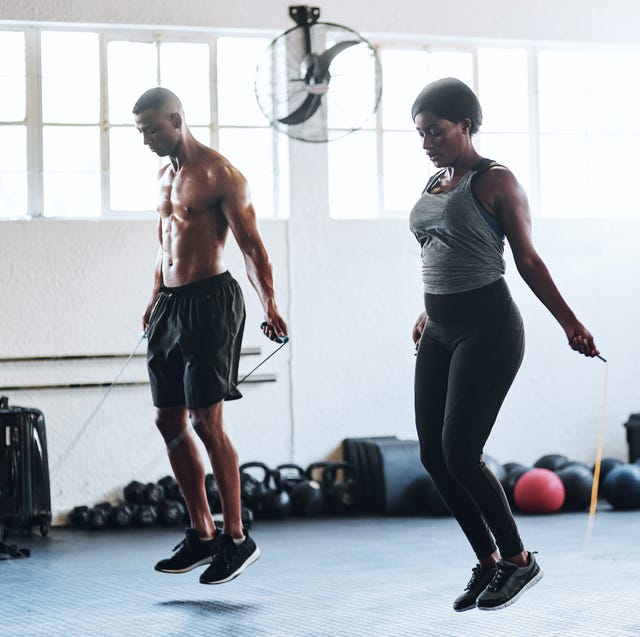
Repeat this pattern several times, depending on your fitness level and how comfortable you feel.
Short intervals allow you to focus on your technique while gradually introducing your body to the movement. As you improve, you can increase your skipping time and reduce your rest periods.
The aim is to make steady progress. You do not need to complete a long workout on your first attempt.
A Simple Beginner Skipping Rope Cardio Workout
A beginner-friendly workout can be surprisingly simple. Start with five minutes of gentle movement to warm up your body. You might walk around the room, march on the spot or perform easy leg movements.
Once you feel warm, begin your skipping intervals. Try skipping continuously for 20 to 30 seconds, followed by 30 to 60 seconds of rest. Repeat this for approximately five rounds.
If you are comfortable and your technique remains controlled, you can gradually add more rounds. Alternatively, you can increase your skipping interval to 45 seconds or one minute.
The intensity should feel challenging but manageable. You should be breathing faster, but you should still be able to recover during your rest periods.
After your skipping intervals, spend a few minutes cooling down. Walk slowly and allow your breathing to return towards normal.
As your fitness improves, you can gradually build towards longer sessions. There is no need to rush. A consistent 10-minute workout performed regularly can be more useful than an occasional workout that leaves you exhausted.
How Often Should Beginners Skip?
The ideal frequency depends on your current fitness level, experience and overall exercise routine.
If you are completely new to skipping, starting with two or three sessions per week can give you time to practise your technique and allow your body to adapt to the repeated jumping movement.

You do not necessarily need to skip every day. Rest days are an important part of any fitness programme because they give your body time to recover.
As you become more comfortable, you may choose to increase the duration or frequency of your workouts. However, progress should be gradual.
If your muscles feel unusually sore or you experience persistent discomfort, take additional rest and consider adjusting your technique or workout intensity.
How to Improve Your Skipping Technique
Good technique can make skipping feel easier and more enjoyable.
Focus on keeping your jumps low and controlled. Try to maintain a steady rhythm rather than rushing. Your wrists should do most of the work when turning the rope, while your shoulders remain relaxed.
It can also help to think about landing quietly. A soft landing encourages you to stay light on your feet and reduces unnecessary impact.
If you repeatedly catch the rope, avoid becoming frustrated. Stop, reset your position and start again. Over time, your coordination will improve.
You can also practise without trying to complete a full workout. Spending five minutes occasionally working on your rhythm and timing can help you become more confident.
Remember that skipping is a skill as well as a form of exercise. Like any skill, it improves with practice.
Common Beginner Skipping Mistakes
One of the most common mistakes is using a rope that is the wrong length. If the rope is too long, it may become difficult to control. If it is too short, you may repeatedly catch your feet.
Jumping too high is another common problem. Beginners often think they need to clear the rope by several inches, but this quickly becomes tiring. Keep your jumps small and focus on rhythm.
Some people also rotate the rope using their entire arms. This can make skipping feel much more strenuous. Instead, practise using small movements from your wrists.
Looking down at your feet can also affect your posture. Try to look straight ahead and rely on your timing rather than constantly watching the rope.
Finally, avoid doing too much too soon. Skipping can be demanding, particularly if your body is not accustomed to repeated jumping. Start gradually and increase your workload over time.
How to Make Your Skipping Workouts More Challenging
Once you have mastered the basic jump, you can gradually introduce variety into your workouts.
One option is to increase your work intervals. If you currently skip for 30 seconds, you could progress to 45 seconds or one minute.
You can also experiment with different rhythms. Alternating your feet from left to right can create a running-style skipping movement that may feel more natural for longer sessions.

Another option is to combine skipping with other exercises. For example, you could alternate short periods of skipping with bodyweight movements such as squats or lunges.
This approach can turn a simple skipping session into a full-body circuit workout. It can also help prevent boredom by giving you different movements to focus on.
However, there is no need to rush into advanced skipping techniques. Mastering the basic jump and developing good cardiovascular fitness should come first.
Combine Skipping With Strength and Mobility Training
Although skipping is an excellent form of cardio, a balanced home fitness routine can include several types of exercise.
Strength training can help develop muscular fitness, while mobility exercises can support comfortable movement. Core exercises can also complement your cardio sessions.
You might therefore use your skipping rope as the cardio component of a broader workout. For example, you could begin with a few minutes of skipping before moving on to bodyweight strength exercises and finishing with gentle mobility work.
This makes a skipping rope a versatile addition to a home workout setup. It takes up very little storage space but can be incorporated into everything from short cardio sessions to high-intensity circuits.
The key is to choose activities that you enjoy and can perform consistently.
When to Stop and Take a Break
It is normal to feel tired and breathe more quickly during cardio exercise. However, you should pay attention to how your body feels.
If you experience sharp pain, dizziness, unusual shortness of breath or feel unwell, stop exercising and rest. If you have concerns about your ability to exercise safely, speak with an appropriate healthcare professional before beginning a new workout routine.
It is also important to recognise the difference between normal effort and pain. Fitness should be challenging, but you should not feel that you need to push through significant discomfort to make progress.
A beginner workout should leave you feeling that you have exercised without completely exhausting you.
Build a Consistent Cardio Habit
The biggest benefit of skipping comes from making it part of a sustainable routine.
You do not need to complete long workouts every day to become fitter. Instead, focus on exercising regularly and gradually increasing your capacity.
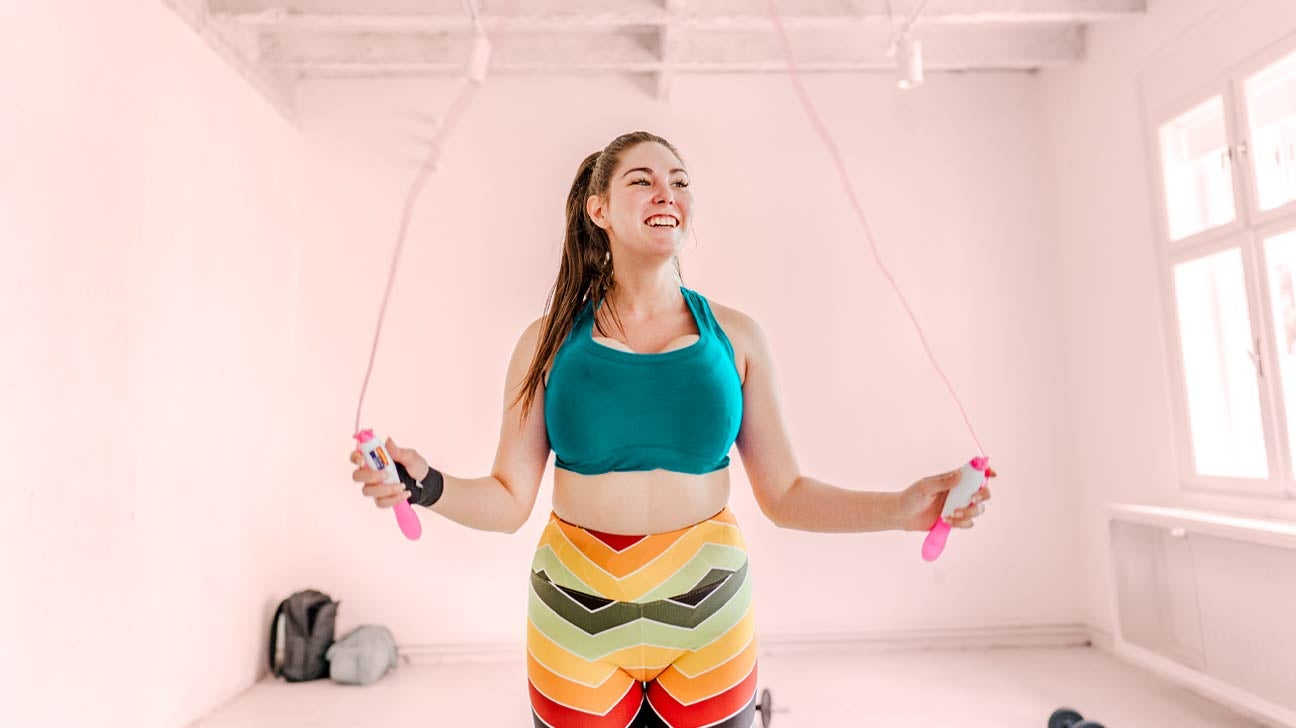
Start with a realistic goal. This might mean completing two short skipping sessions each week. Once that becomes comfortable, you can increase the duration or add another session.
You can also make your workouts more enjoyable by listening to music, exercising outdoors or creating a simple routine that fits into your daily schedule.
Consistency is often more important than intensity. A workout that you enjoy and can maintain over time is more likely to become a lasting habit.
Final Thoughts on Using a Skipping Rope for Beginners
Learning how to use a skipping rope for beginners does not have to be complicated. With the right equipment, a clear space and a little patience, you can learn the basic movement and gradually build your fitness.
Start with small jumps, focus on using your wrists to turn the rope and practise short intervals rather than trying to skip continuously for long periods. As your coordination and stamina improve, you can gradually increase the length and intensity of your workouts.
A skipping rope is one of the simplest pieces of home fitness equipment available, but it can offer plenty of opportunities for progression. Whether you want to add more cardio to your routine, improve your coordination or simply find a convenient way to stay active, skipping can be a valuable part of your home workout routine.
The most important thing is to start at a level that feels manageable and build from there. With regular practice, those first few awkward jumps can quickly become a smooth and enjoyable cardio workout that you can do almost anywhere.