
Creating a comfortable and inspiring home workout space begins with the right equipment, and no piece of gear is more important than your yoga mat. Whether you're practicing gentle stretching, following an intense power yoga routine, or incorporating Pilates and bodyweight exercises into your fitness plan, the mat you choose has a significant impact on your comfort, stability, and overall performance.
With hundreds of options available in different materials, thicknesses, textures, and price ranges, selecting the ideal mat can quickly become overwhelming. While many products promise superior grip or exceptional cushioning, the truth is that the best yoga mat for home workouts depends on your individual needs, exercise style, available space, and personal preferences.

This guide explains everything you should consider before purchasing a yoga mat, helping you make an informed decision that supports your health, improves your workouts, and lasts for years.
Why Your Yoga Mat Matters
Many beginners assume that any exercise mat will work for yoga. However, a quality yoga mat is designed to provide stability while cushioning your joints and improving your overall movement. A slippery or poorly constructed mat can interrupt your balance, make poses more difficult, and even increase the risk of injury.
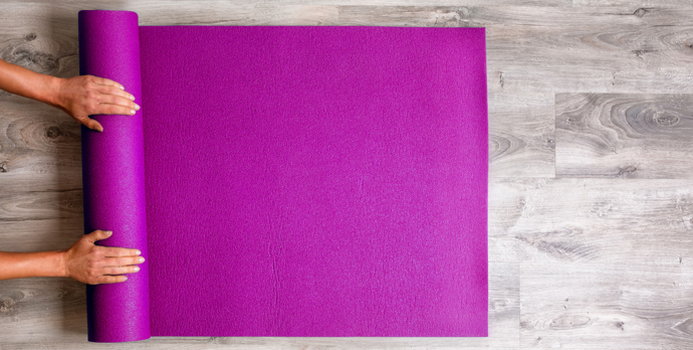
During home workouts, your mat becomes your personal training space. It creates a comfortable surface between your body and the floor, protects your knees, wrists, elbows, and spine, and encourages proper alignment throughout every exercise.
The best yoga mat for home workouts helps you stay focused on your practice rather than worrying about slipping, discomfort, or constantly adjusting your position.
Consider Your Workout Style
Before shopping for a yoga mat, think about how you intend to use it. Different exercise routines require different features.
If you primarily practice gentle yoga, restorative yoga, or meditation, comfort and cushioning are usually the highest priorities. A slightly thicker mat provides excellent support for longer sessions where you're holding poses for extended periods.

For Vinyasa, Ashtanga, or Power Yoga, grip becomes more important. These styles involve continuous movement and often generate sweat, making a textured, non-slip surface essential.
Many people also use yoga mats for Pilates, stretching, HIIT workouts, and strength training. In these cases, durability and stability become equally important, as the mat needs to withstand repeated pressure from shoes, weights, and dynamic movement.
Understanding your primary workout style makes it much easier to choose the best yoga mat for home workouts that fits your routine.
Choosing the Right Thickness
Thickness is one of the first specifications shoppers notice, and it plays a major role in comfort.
Thin mats, typically around 3 millimeters, provide excellent stability because your feet remain close to the floor. Experienced yogis often prefer thinner mats since they improve balance during standing poses.
Standard mats around 4 to 5 millimeters offer an ideal balance between stability and cushioning. They are suitable for most home users and work well for a variety of exercise styles.

Thicker mats, measuring 6 millimeters or more, provide extra support for sensitive knees, wrists, hips, and elbows. They are particularly beneficial for beginners or anyone recovering from joint discomfort.
However, extremely thick mats can slightly reduce balance during standing poses because the surface compresses more under your weight.
For many people, a medium-thickness option represents the best yoga mat for home workouts, offering both comfort and stability.
Understanding Yoga Mat Materials
The material used to manufacture a yoga mat influences everything from grip and durability to environmental impact.
PVC remains one of the most common materials because it is durable, affordable, and offers excellent traction. High-quality PVC mats can last for years with proper care.
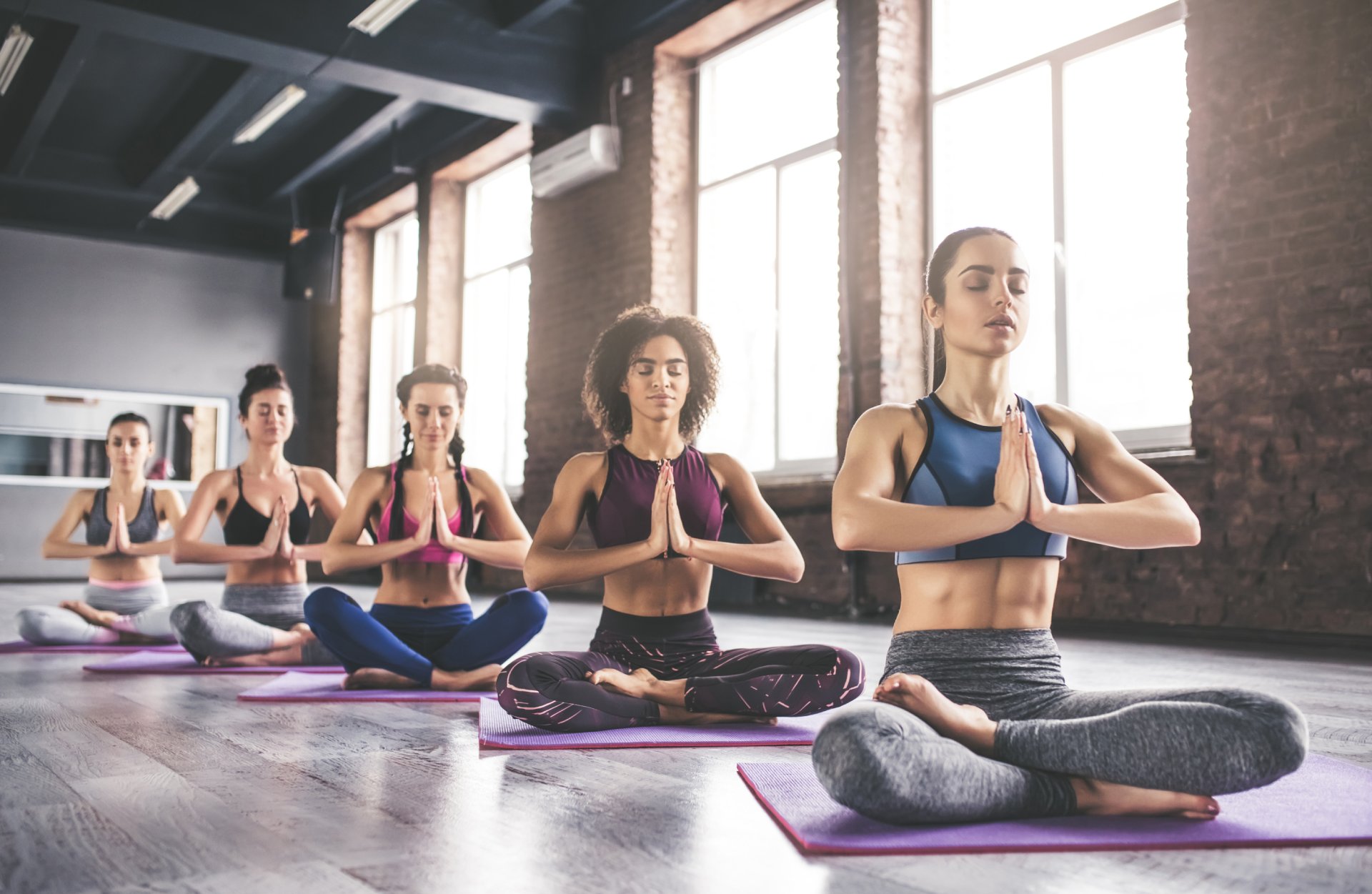
Natural rubber mats are known for outstanding grip and cushioning. They provide excellent stability even during sweaty workouts, although they tend to be heavier and may have a natural rubber scent when new.
Thermoplastic Elastomer (TPE) mats have become increasingly popular due to their lightweight construction and eco-friendlier manufacturing process. They offer a comfortable balance of cushioning and durability while remaining easy to carry.
Cork yoga mats feature a naturally antimicrobial surface and actually improve their grip when exposed to moisture, making them an appealing option for hot yoga practitioners.
Cotton mats are typically used for meditation or traditional yoga styles where maximum grip is less important.
Each material offers unique advantages, so the best yoga mat for home workouts depends on which features matter most to you.
Grip and Surface Texture
Grip is one of the most overlooked factors when buying a yoga mat, yet it significantly affects performance.
A textured surface creates friction between your hands, feet, and the mat, reducing the chance of slipping during transitions or challenging poses.

Smooth mats may initially feel softer, but they can become slippery, particularly during longer sessions or warm environments.
People who sweat heavily should prioritize moisture-resistant surfaces designed to maintain traction even during intense workouts.
Testing grip by gently pressing your hands against the surface can provide a better indication of performance than appearance alone.
Reliable traction is one of the defining qualities of the best yoga mat for home workouts because it allows you to practice confidently and safely.
Size Matters More Than You Think
Yoga mats are available in several lengths and widths.
Standard mats typically measure around 68 inches long, which suits many users. Taller individuals may find extended-length mats much more comfortable, preventing their hands or feet from extending beyond the edges during poses.
Wider mats provide additional space for stretching, Pilates, and bodyweight exercises while making home workouts feel less restrictive.
Before purchasing, consider the available space in your workout area. A larger mat provides more freedom of movement but also requires additional storage space.
Choosing the right dimensions helps ensure your best yoga mat for home workouts complements both your body and your home environment.
Cushioning for Joint Protection
Home workouts often involve repeated contact between your body and hard flooring.
Whether your home has tile, hardwood, or concrete floors beneath carpeting, sufficient cushioning can dramatically improve comfort.

Exercises like Cat-Cow, Child's Pose, lunges, and kneeling stretches place significant pressure on the knees and wrists. A mat with adequate padding distributes weight more evenly, reducing discomfort and allowing you to hold poses longer.
Joint support becomes even more important for older adults or individuals managing arthritis or previous injuries.
Comfort should never come at the expense of stability, making balanced cushioning a key feature of the best yoga mat for home workouts.
Durability and Longevity
A yoga mat should be viewed as a long-term investment rather than a disposable accessory.
Higher-quality mats resist tearing, peeling, stretching, and compression after repeated use. Dense construction helps maintain shape while preventing permanent indentations from hands, knees, or exercise equipment.
Frequent practitioners should prioritize durability, especially if combining yoga with strength training or mobility exercises.
Reading product reviews and manufacturer warranties can provide valuable insight into long-term performance.
Choosing a durable option ensures your best yoga mat for home workouts continues supporting your fitness journey for years instead of months.
Easy Cleaning and Maintenance
Your yoga mat comes into direct contact with your skin during every session, making cleanliness essential.
Sweat, dust, pet hair, and bacteria naturally accumulate over time. Fortunately, most modern mats can be cleaned using a soft cloth, warm water, and a gentle soap solution.
Some materials require specialized cleaners to preserve grip and prevent deterioration, while others can simply be wiped down after each workout.
Allowing your mat to dry completely before rolling it up helps prevent unwanted odors and mildew.
Simple maintenance keeps the best yoga mat for home workouts looking fresh while extending its lifespan.
Eco-Friendly Options
As sustainability becomes increasingly important, many manufacturers now produce environmentally conscious yoga mats using renewable or recyclable materials.
Natural rubber, cork, jute, and responsibly sourced cotton provide alternatives to traditional synthetic materials.
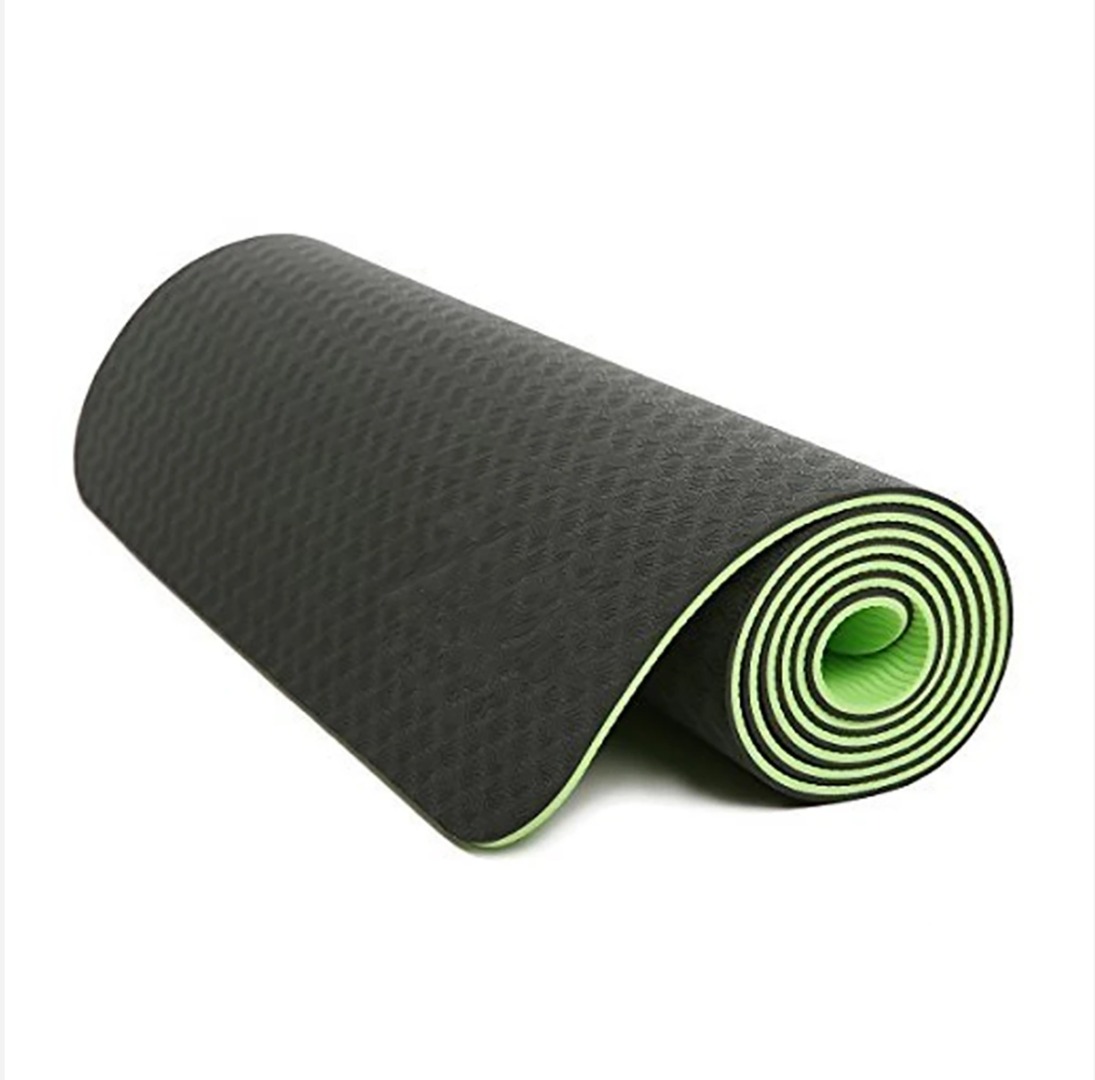
Many eco-friendly mats are manufactured without harmful chemicals, heavy metals, or toxic plasticizers, making them a healthier choice for both users and the environment.
Although sustainable mats often cost more initially, they frequently offer exceptional durability that justifies the investment over time.
If environmental responsibility is important to you, choosing an eco-conscious option may lead you to the best yoga mat for home workouts that aligns with your values.
Budget vs. Premium Mats
Yoga mats are available across a wide range of prices.
Budget-friendly mats are perfectly suitable for beginners who are exploring yoga for the first time. They generally provide adequate comfort for occasional practice.
Mid-range mats often represent the best value, offering improved grip, better durability, and enhanced cushioning without premium pricing.
High-end mats typically incorporate advanced materials, superior construction, and exceptional longevity. Frequent practitioners often discover that investing in a premium product saves money over time because replacement is less frequent.
Price alone does not determine the best yoga mat for home workouts, but understanding the relationship between cost and quality helps you spend wisely.
Storage and Portability
Although home workouts eliminate the need to carry your mat to a studio, portability still matters.
A lightweight mat is easier to move between rooms and simpler to store after each session.
Many mats include carrying straps or storage bags that help protect the surface when not in use.
If your workout space doubles as a living room or bedroom, selecting a mat that rolls tightly can make daily storage more convenient.
Practical storage contributes to a better overall experience with the best yoga mat for home workouts, especially in smaller homes or apartments.
Signs It's Time to Replace Your Yoga Mat
Even high-quality mats eventually wear out.
Visible cracks, peeling surfaces, reduced grip, unpleasant odors that persist after cleaning, or flattened cushioning all indicate that replacement may be necessary.
Continuing to use a worn mat can reduce stability and increase the risk of slipping during practice.
Regular inspection helps ensure your equipment continues supporting safe and effective workouts.
Replacing an aging mat with the best yoga mat for home workouts restores comfort, confidence, and performance.
Making the Right Choice
Choosing the perfect yoga mat doesn't require buying the most expensive model or following the latest trends. Instead, it involves understanding how you exercise, what level of comfort you need, and which features matter most for your personal fitness routine.
Consider your preferred workout style, desired thickness, material, grip, size, durability, and maintenance requirements before making your decision. Investing a little extra time in research often results in years of more enjoyable and effective workouts.
Ultimately, the best yoga mat for home workouts is the one that encourages consistency, supports your body, and makes every session more comfortable. Whether you're practicing your first downward dog, completing a challenging Pilates class, or simply enjoying a daily stretching routine, the right mat provides the foundation for success.
By selecting a yoga mat that matches your individual needs, you'll create a home workout environment that motivates you to stay active, improve your flexibility, strengthen your body, and enjoy every step of your fitness journey.